The Vehicle Recall Process, Step by Step
From OEM notification to dealer repair to class action eligibility — a complete walkthrough of the U.S. vehicle recall process for owners.
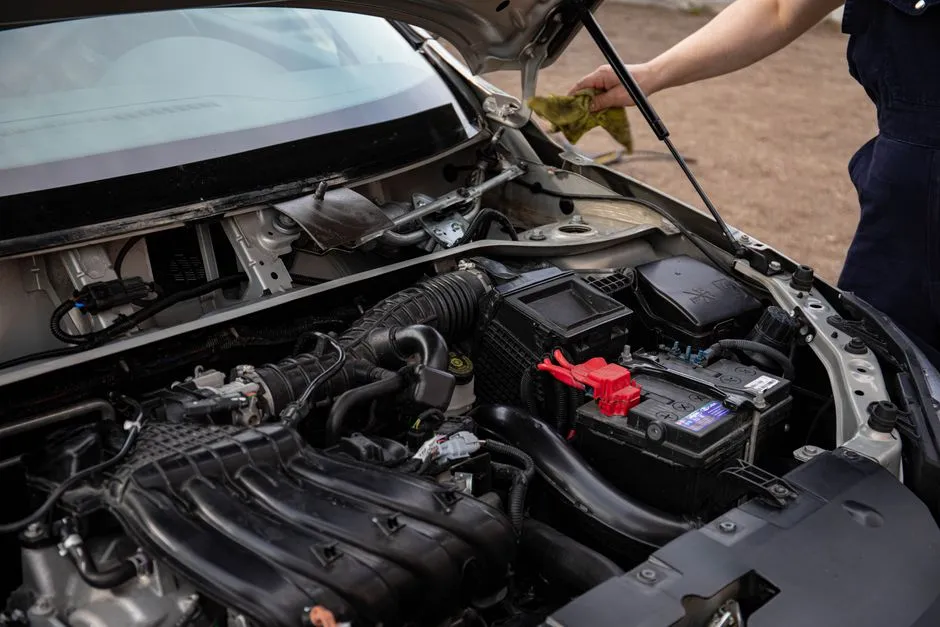
Step 1 — The recall is announced
Vehicle recalls in the United States are coordinated through the National Highway Traffic Safety Administration. When a manufacturer (or NHTSA itself) determines that a vehicle has a safety-related defect or fails a federal safety standard, the manufacturer files a recall, posts the affected VIN list, and begins notifying owners by first-class mail.
Step 2 — You verify your VIN
Owners can check whether a specific vehicle is on a recall list at any time by entering the VIN at NHTSA's VIN-lookup tool. The lookup also shows whether the recall repair has already been performed on that VIN by a previous owner. If you bought the car used, check the VIN even if you never received a notice.
Step 3 — You schedule the recall repair
Recall repairs are free of charge at any authorized dealer for the brand. The dealer cannot charge you for the labor, parts, or any associated diagnostic time required by the recall. If the dealer tries to upsell you on unrelated maintenance during the visit, you can decline.
Step 4 — Class action eligibility
A recall solves the safety defect going forward, but it does not compensate owners for the costs they incurred before the recall — for example, towing fees, rental cars, dealer-paid repairs that turn out to have been the recalled defect, or the diminished value of the vehicle. That's where class actions come in. Most major vehicle recalls are followed within months by a class action seeking to compensate owners for these out-of-pocket losses.
Step 5 — Filing your class action claim
If a settlement is reached, the administrator typically asks each owner to provide their VIN, mailing address, and any documentation of out-of-pocket losses (receipts for repairs, towing, rental cars, missed work). Owners who file are typically reimbursed within four to nine months after the court grants final approval.
Step 6 — Buyback eligibility, in rare cases
For a small subset of safety-critical defects, a settlement may include a "buyback" option in which the manufacturer repurchases the vehicle at its pre-defect market value. Buyback options are most common in cases involving fire risk, sudden acceleration, and structural failures. The administrator's claim form will tell you if buyback is available for your specific VIN.
Keep reading
How to File a Class Action Claim Without a Lawyer
A complete walkthrough of the official claim-filing process, from confirming eligibility to submitting your form and choosing how you'd like to be paid.
What Happens After You Submit a Class Action Claim Form
From confirmation email to bank deposit, here's exactly what a settlement administrator does with your claim — and how long every step typically takes.
Proof-of-Purchase Tips for Product Defect Claims
Lost the receipt? You may still recover money. We walk through how to retrieve purchase records from major retailers, banks, and email archives.